
The 4 PM Meltdown Nobody Warns You About: Why After-School Tantrums Happen (and What to Do)
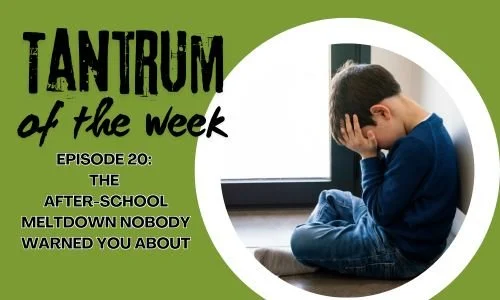
You pick your kid up from school. They seem happy. The teacher says they had a great day. The car ride home is easy. You're already mentally planning a relaxed afternoon — snacks, some downtime, maybe even a peaceful evening.
Then, ten minutes after walking in the door, it all falls apart. Over the exact snack they asked for.
If this sounds familiar, you're not imagining things, and you're definitely not alone. The after-school meltdown is one of the most common — and most confusing — moments in parenting. Here's what's actually going on, and how to get through it without losing your own cool in the process.
Why "School Day Fatigue" Sneaks Up on Parents
It's easy to assume that if a child had a good day, they should come home in a good mood. But school day fatigue works differently than we expect, especially for younger kids.
Even when a school day looks relaxed from the outside — especially for preschoolers, where the day is mostly play — kids are quietly managing a lot: teacher expectations, peer interactions, knowing what they're supposed to be doing and when. Holding all of that together takes real energy.
And here's the catch: the kids who are doing everything "right" often get the least feedback. Nobody flags them as needing support, because on the surface, they seem totally fine. So they spend the whole day essentially on autopilot, managing themselves — which is exhausting, even when it looks easy.
This is a big part of what's behind restraint collapse after school: the child has been holding it together all day, and the moment they feel safe enough to stop, they do.
It's Not Defiance — It's Trust
When your child falls apart over something as small as a snack, it's tempting to read it as child behavior after school gone wrong — as if they're being deliberately difficult or testing you. But that's usually not what's happening.
In many cases, a meltdown at home is actually a sign of a strong relationship. Your child feels safe enough with you to let go of everything they've been holding in all day. It might even be their way of processing how much they missed you — not through hugs and words, but through finally letting their guard down.
Understanding this shift is at the core of gentle parenting tantrums and positive parenting meltdowns: recognizing that the behavior isn't a discipline problem, it's a release. Your child already knows they shouldn't yell at you or refuse something they asked for. They're not confused about the rules — they're just finally safe enough to fall apart.
What To Do In the Moment: Co-Regulation Over Correction
So what actually helps when you're standing in the kitchen watching a full meltdown unfold?
This is where co-regulation parenting comes in — the idea that your own calm can help regulate your child's nervous system. A few key steps:
Pause. Both of you are flooded with feelings too big to manage right away. Give it a moment — one minute, five minutes, ten. There's no rush.
Stay close, even in silence. You don't need to fix anything or get them to talk. Your presence alone helps.
Let go of the outcome. They don't have to eat the snack. You don't have to solve anything in this exact moment.
Name it once things settle. A simple "I get it, that was hard" goes a long way.
This is one of the most practical answers to how to handle after-school tantrums — not with more talking or more consequences, but with less pressure and more presence.

Building a Buffer: The Simple Trick That Prevents Blowups
One of the most useful tools for preventing these meltdowns before they start is creating a buffer between pickup and any decisions or tasks your child needs to handle.
Instead of walking in the door and immediately expecting them to choose a snack, get changed, or start homework, try giving them a little decompression time first — what's sometimes called "putting them in their bubble." Something like: "I'm going to give you some quiet time. Here are some options if you want them. I'll be right here when you're ready."
Over time, you can also help them understand this pattern in themselves — naming it out loud: "School days are a lot. It makes sense you need to let some big feelings out." This kind of language supports emotional regulation in children and, eventually, helps kids recognize and articulate their own needs instead of just melting down.
You're Not Doing Anything Wrong
If your toddler tantrum after school or preschooler meltdown has left you feeling blindsided and a little defeated, know this: it's common, it's expected, and it's often a sign that your child feels safe with you — not that something is wrong.
Give yourself the same grace you're learning to give them.
Hang in there. You've got this.
This article is based on an episode of the Tantrum of the Week podcast, where we talk about real-life parenting challenges and practical ways to handle them.