
The "One More Level" Protest: Why It Happens (How to Handle It Gently)
Dinner's ready. You call your kid to the table. And instead of footsteps, you get a shout from the other room: "I can't pause it! I'm gonna keep playing!"
If this sounds familiar, you're not alone — and you didn't do anything wrong to get here.
It's Not Really About the Game
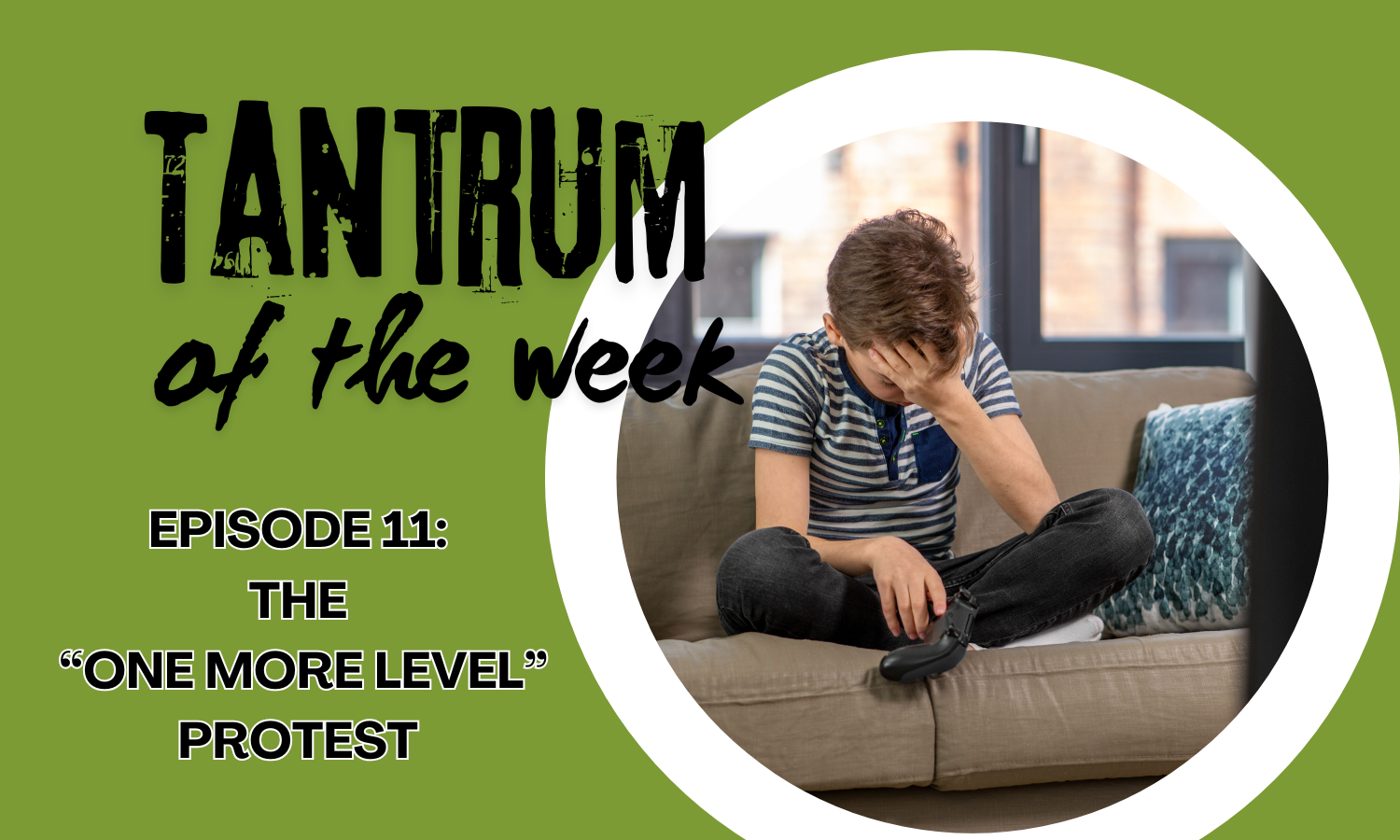
Your child finished their homework, did their chores, and has been playing a video game with your blessing. You set it up thoughtfully — parental controls in place, clear expectations given. Dinner's coming, and they know it. But when the moment arrives, what you get isn't compliance. It's a protest. Tears, yelling, "it's not fair," and the classic plea that they were just about to hit a new high score.
It can feel like a flat-out refusal. But underneath it, something much more relatable is going on.
An eight-year-old is in the middle of figuring out who they are and what they can control. A video game hands them something rare: real mastery, real progress, real bragging rights with friends. On top of that, games are engineered to pull us in — the sounds, the visuals, the competition all conspire to make "one more level" feel irresistible. Dinner, by comparison, doesn't stand a chance.
Understanding why the blow-up happens doesn't make it fun in the moment, but it does make it easier to plan for next time — and to respond with more patience than judgment.
Setting Up for Fewer Blow-Ups
A few small shifts before the game even starts can go a long way:
Trim the window. If dinner's coming up soon, consider skipping game time altogether rather than trying to interrupt mid-session. "There's not enough time to really get into it before dinner, so let's skip it tonight" heads off the conflict entirely.
Let them choose. Ask directly: "If you start playing, are you going to be able to pause even if you're close to a new level? Or would you rather wait until Saturday, when you'll have more time?" Handing over that choice does two things — it respects that they know themselves, and it starts building the self-control muscle they'll lean on for the rest of their lives.
When the Tantrum Is Already Happening
If you're already mid-protest, the goal isn't to win the argument — it's to hold the limit without escalating.
Skip the blanket punishment. In the heat of the moment, it's tempting to declare "no more video games ever" or "not for the rest of the month." But long, sweeping consequences don't teach self-control — they just remove the chance to practice it. Kids need the opportunity to try again and do better next time.
Give them a minute. A short cool-down helps everyone — including you. There's no need to lecture mid-meltdown. Once things are calmer, a simple, "Okay, I need the game now, let's go to dinner" is enough. You don't need to relitigate the fact that you warned them.
Hold the limit, then let it go. Once the game is paused and they're at the table, that's a win — credit where it's due. If they're still pouting, that's fine. They don't need to apologize or explain themselves to earn a seat at dinner. Give them space, include them in conversation if they're ready, and let the day end without a grudge.

Tomorrow Is Another Chance
Here's the reassuring part: none of this has to be perfect. The point isn't to eliminate every protest — it's to respond in a way that keeps the relationship intact and lets your child keep practicing the hard skill of stopping something fun for something necessary.
Tomorrow, they get to try again. So do you.
Listen to the Full Episode
This article is based on an episode of the Tantrum of the Week podcast, where we talk about real-life parenting challenges and practical ways to handle them.