
"I'm Not Going": What's Really Behind Your Teen's Back-to-School Refusal
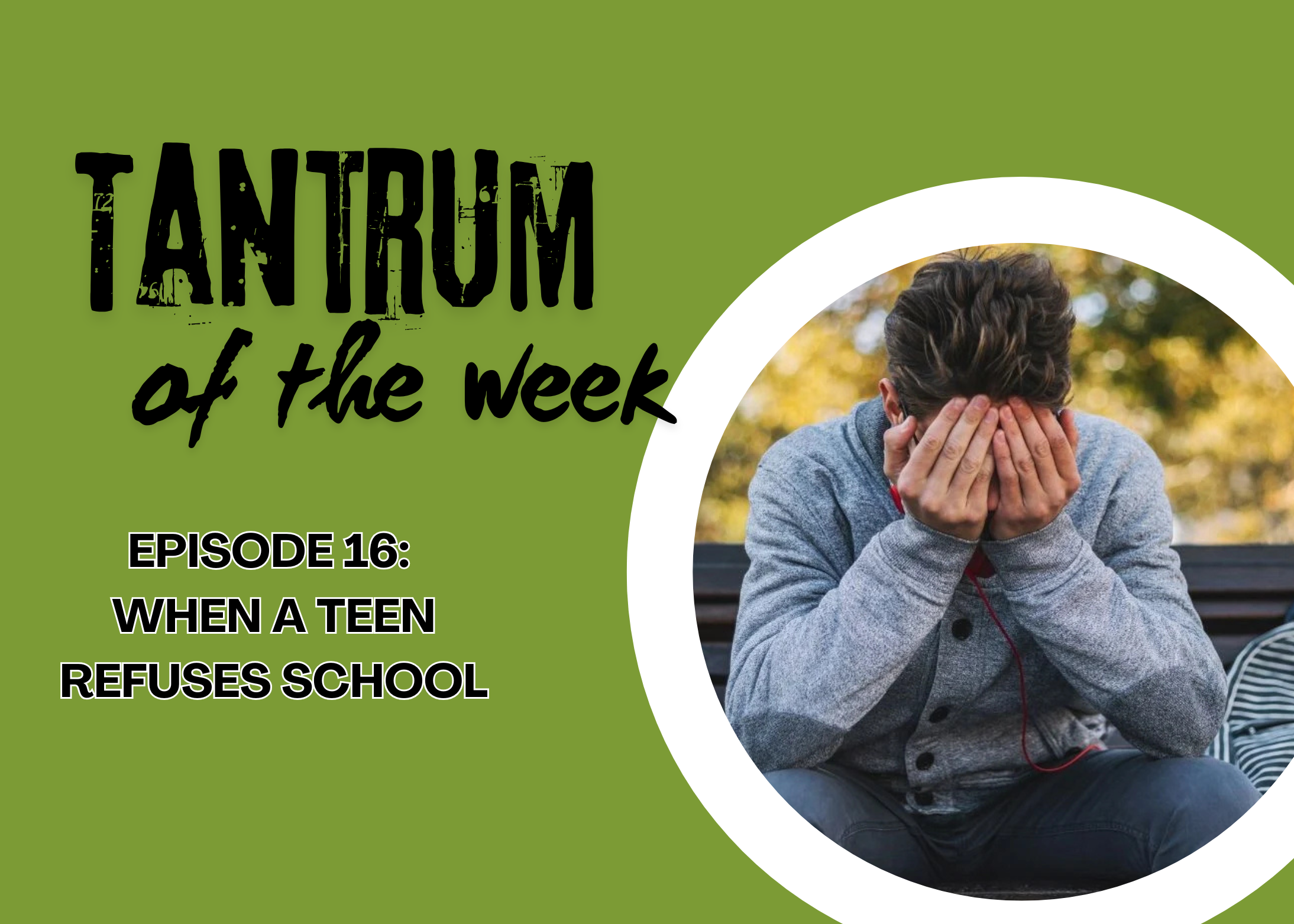
It's a few days before the first day of junior year. Your teenager has friends at this school. They know the routine. And yet, when you bring up carpool schedules or extracurricular plans, you get a flat refusal: "I'm not going. I hate school. You can't make me."
No yelling, no tears — just a wall.
It's tempting to read this as defiance. But often, it's something quieter and more understandable: a kid who wants to do well and wants to connect with people, but who hasn't felt able to over the summer, and who is now staring down a year loaded with new pressure.
Why High School Is Different
Junior year isn't just "another year." It's the year college conversations start in earnest — testing, admissions, next steps. For a teen who's already feeling disconnected from friends after a summer apart, that pressure can pile up fast. They may not have the words for "I'm overwhelmed and I don't know how to fix it," so what comes out instead is "I'm not going."
Why Arguing Doesn't Work (Even With Good Reasons)
When a parent hears "I'm not going to school," the instinct is often to argue back — and for good reason. There are plenty of legitimate points to make: it's the law, you want them to succeed, you want them to be happy, they love their gymnastics team, they'll see friends they've missed.
All true. All reasonable. And often, none of it lands.
That's because arguing — even well-intentioned arguing — is really an attempt to talk a child into feeling something they don't currently feel. Teens generally know how they feel. They have a lot on their plate, and being told their feelings are wrong or shouldn't exist rarely changes the feelings themselves. It just adds friction.
The more useful shift is remembering that both people in this conversation have a real, valid perspective — including the teen. That's often the piece adults leave out.
Try Being a Detective, Not a Debater
Instead of leading with "you're going, and here's why," try getting curious. Skip "how are you feeling" — a teen mid-standoff may already feel like they've made that clear. Instead, try lower-pressure openers:
"Tell me more about this."
"I'm interested in hearing what's going on."
"I'm curious what's changed."
Asking questions doesn't signal that not going to school is actually on the table. It just opens a door your teen can choose to walk through — and gives you real information instead of guesses. You know your child, so once they start talking, you'll likely pick up on clues about what's actually going on.

Shrink the First Week
Big expectations can be part of the problem. If your teen is already worried about meeting sky-high goals — straight A's, strong test scores, a perfect re-entry into the friend group — piling on that pressure won't help.
Instead, lower the bar for week one: show up, get to class, figure out what's going on, and decide how to approach things from there. Making the first steps small and doable can meaningfully reduce both anxiety and resistance.
Look for the Social Friction Point
Sometimes the resistance has a specific root — a falling-out with someone in the carpool, or feeling out of step with a friend group. If there's a workable adjustment (a different carpool arrangement, for instance), making it isn't "caving." It's coming alongside your teen to help them cross a bridge, not clearing every obstacle out of their path.
Teens are under real pressure to handle things on their own, and as parents, we don't always see everything they're carrying. Asking in a non-confrontational way — rather than pushing straight to solutions — helps you actually understand what's ahead for them, and gives you a real shot at easing the transition without a full-blown standoff.
The Bottom Line
A teen refusing to go to school isn't usually about the school itself. It's often about disconnection, pressure, and not knowing how to say "I'm not okay" out loud. Meeting that with curiosity instead of argument — and making the first steps smaller — won't fix everything overnight, but it can turn a shutdown into a conversation.
Hang in there. You've got this.
This article is based on an episode of the Tantrum of the Week podcast, where we talk about real-life parenting challenges and practical ways to handle them.