
Preschool Separation Anxiety: How to Handle Drop-Off Tantrums
It's July, but if you're a parent of a preschooler, back-to-school season is probably already on your mind. Backpacks are getting picked out, schedules are being nailed down, and for many families, this fall marks a big milestone: a child's very first time going to preschool.
For some kids, that transition is smooth. For others, it looks like classic preschool separation anxiety — full-blown tears, clinging, and a meltdown that starts the moment it's time to leave the house, and sometimes starts right back up again at the classroom door. If child crying at drop-off sounds like your house every morning, you're not alone, and you're not doing anything wrong.
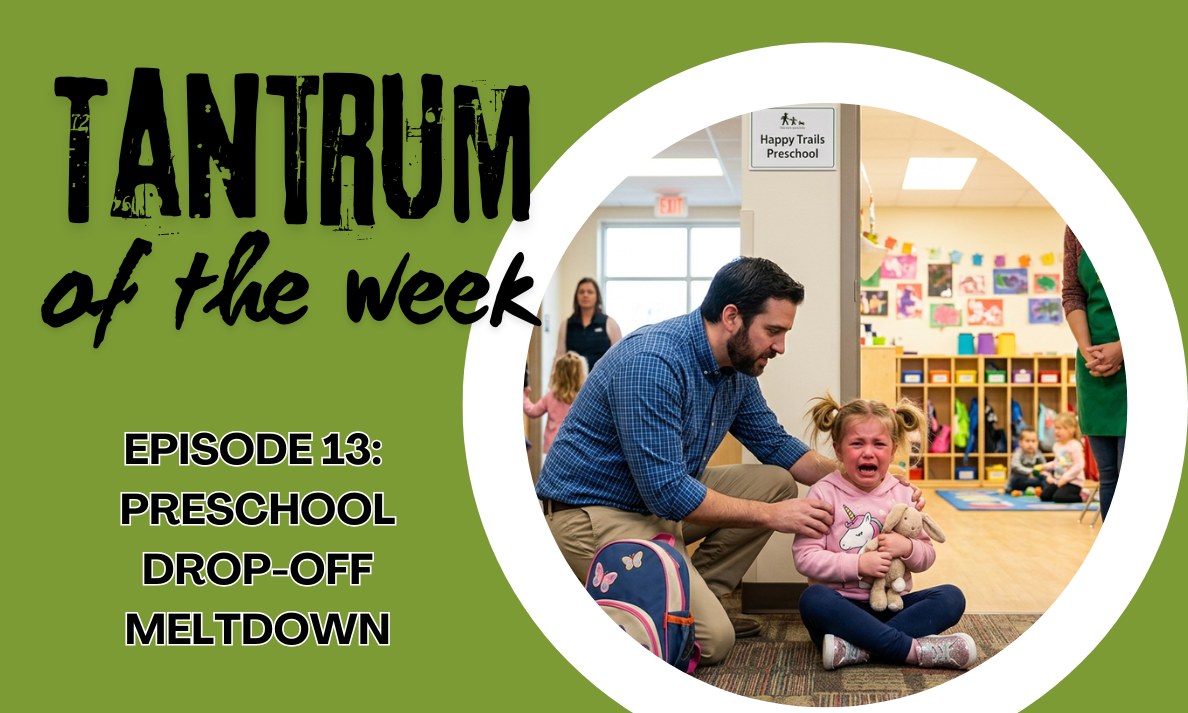
Why Preschool Can Be a Great Fit
Starting preschool is a genuinely positive step for most little ones, as long as it's the right environment for their age and temperament. Kids get enrichment, socialization, and time with peers — all things that support healthy development. But "right fit" matters, and so does readiness. Even when parents have done everything right — prepping the child, introducing them to teachers, getting the new backpack ready — some kids still struggle hard with the actual separation.
What Drop-Off Separation Anxiety Really Means
A child sobbing, clinging to a parent, and refusing to leave isn't a sign that something has gone wrong. Separation anxiety in preschoolers is one of the most common — and most searched-about — challenges parents face during this transition. It's usually a sign of exactly what it looks like: this is a big, overwhelming change, and the child doesn't yet have the tools to manage those feelings on their own.
It's also incredibly hard on parents. Watching your child fall apart at drop-off can feel embarrassing, heartbreaking, and anxiety-inducing all at once. It's natural to start second-guessing yourself in that moment — wondering if your child is really ready, or if you're making a mistake by leaving them.
Preschool Drop-Off Tips: What to Do in the Moment
When a meltdown is happening in real time, the most useful tool a parent has is their own composure. Kids co-regulate off the adults around them — the calmer you are, the more that calm transfers to your child. Here are a few practical drop-off tips that can help ease separation anxiety in the moment:
Pause and get low. Step to the side, sit on the floor with your child, and give them a minute.
Talk them through it, even if it doesn't fully land. At this age, they may not absorb every word, but hearing a calm, reassuring voice matters. Something like: "We're going to figure this out. I'm going to help you find your teacher."
Expect some back-and-forth. They may calm down and then start crying again. That's not a setback — it's part of the process. This is a new skill for them, and they're learning to trust that you really will come back.

Building Consistency and Routine to Ease the Transition
Consistency is one of the most powerful tools parents have when it comes to easing preschool anxiety. Little ones are event-driven rather than clock-driven, so instead of "I'll pick you up after work," it helps to frame pickup around something they understand, like "after nap time" or "after snack." Working with the school to understand the daily schedule lets you translate it into language your child can hold onto.
A few other strategies that tend to help toddlers and preschoolers adjust to drop-off:
A transition object. A family photo (laminated ones hold up well), a small stuffed animal, or another comfort item can go a long way. Just steer clear of anything irreplaceable, since these items sometimes get lost or left behind.
Partnering with the school. Ask what's worked for other kids and share what you know about your child. Some schools are flexible about a teacher meeting your child at the car, or easing the handoff in other ways.
A soothing, not disciplinary, tone at drop-off. The goal is "I know this is hard, and I'm going to help you," not "You have to go in now." A trusted adult at school picking up that same calm, reassuring approach can make a real difference.
Give It Time
It can be tempting, in the middle of a hard drop-off, to conclude that your child just isn't ready for school. Sometimes that's true — but often, what looks like "not ready" is actually just "still learning." This is a major developmental task, and most kids need real practice, repetition, and time before it starts to feel normal. Many children who struggle at first go on to genuinely love their time with peers once they've settled in.
If tantrums are happening at drop-off in your house right now, know this: your child isn't doing it wrong, and neither are you. Preschool separation anxiety is common, temporary, and very manageable with the right support. You're both learning something new, and with consistency and patience, most families find their way through it.
Listen to the Full Episode
This article is based on an episode of the Tantrum of the Week podcast, where we talk about real-life parenting challenges and practical ways to handle them.