
What to Do When Your Child Lies to You
One of the most stressful parenting moments happens when your child clearly broke something… and insists they didn’t.
You can see the broken object. Your child was the only one there. And yet they keep saying they absolutely did not do it.
For many parents, this moment feels much bigger than the broken item itself. Teaching children right from wrong and helping them learn to tell the truth feels like one of the most important jobs of parenting. Honesty builds trust. Trust helps parents keep children safe. And for most families, honesty feels like a foundational value.
So when a child lies about something that seems obvious, parents often feel worried, frustrated, or even scared.
You might find yourself thinking:
How could they lie about this when we’ve talked so much about telling the truth?
Before jumping to conclusions about your child’s character, it’s important to take a breath and remember something important:
One moment like this does not define your child.
It’s simply one learning moment in a much longer process of growing up.
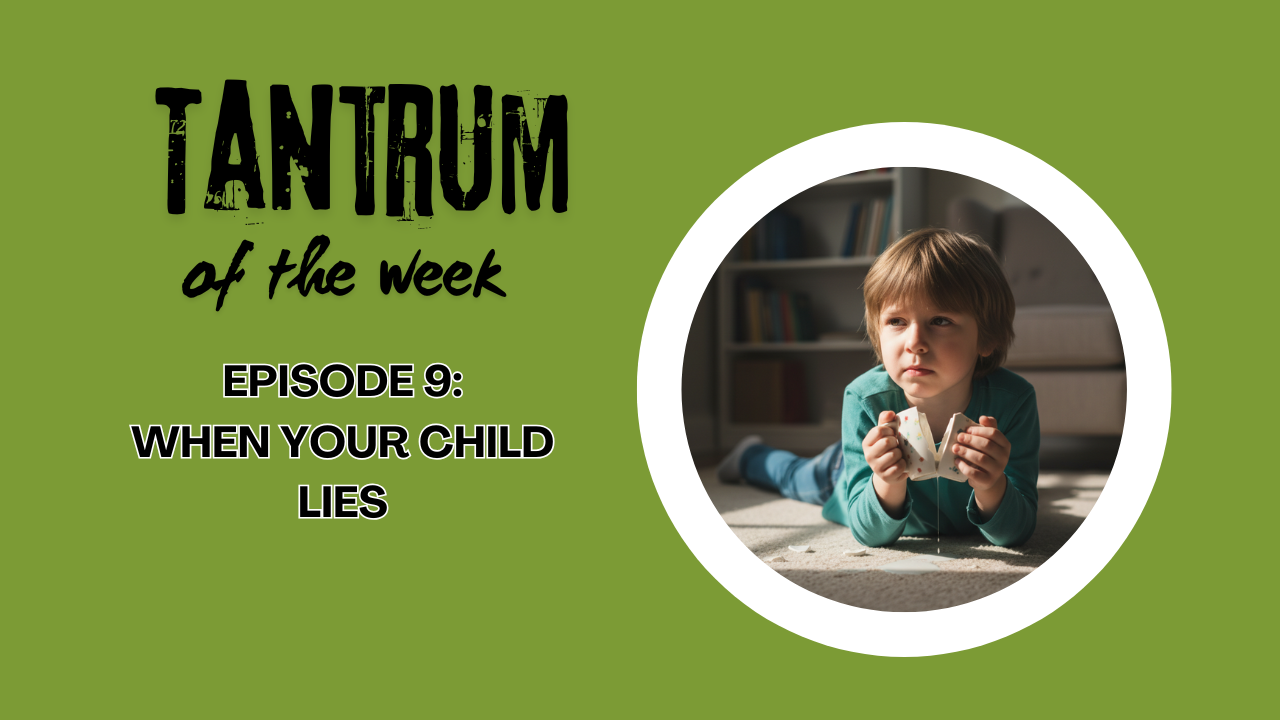
7 Year Old Lies: Why It Happens
Seven-year-olds are in an interesting stage of development. They want adults to believe they are very grown up. But emotionally and neurologically, they are still learning how to manage mistakes, consequences, and big feelings.
When a child breaks something and realizes they might get in trouble, their brain often reacts quickly.
The first instinct is often:
“Maybe if I say I didn’t do it, this will all go away.”
This response is usually not about manipulation. It’s about fear and impulse.
Children at this age are still developing their ability to:
think through consequences
regulate emotions
pause before reacting
solve problems calmly
So when a mistake happens, lying can become a knee-jerk reaction to avoid getting in trouble.
That doesn’t mean they don’t understand right from wrong.
In fact, it often means the opposite. Many children lie in these situations because they know they made a mistake and feel bad about it.
When a Child Lies, Parents Often Feel Alarmed
It’s completely understandable for parents to feel upset when a child lies.
You may worry that:
your child doesn’t understand honesty
they will become dishonest
they aren’t learning the values you’ve tried to teach
But moments like this are actually part of learning those values, not evidence that your child doesn’t have them.
Children develop honesty gradually through experiences with parents who guide them through mistakes.
What to Do When Your Child Lies to You
When you find yourself in the middle of one of these situations, the most important first step is surprisingly simple:
Calm yourself down.
This can be difficult when you feel angry or disappointed. But a calm parent is much more effective than an upset one.
If needed, take a moment to pause.
Take a breath.
Step away for a minute.
Give yourself time to settle before continuing the conversation.
You might even say:
"I’m going to take a minute and we’ll talk about this in a moment."
This pause helps both you and your child regulate emotions before discussing what happened.

How to Handle When Your Child Lies
Once everyone is calmer, try not to turn the moment into an interrogation.
Parents often make the situation worse by repeatedly asking questions they already know the answer to.
For example:
“Did you break this?”
If your child is already denying it, asking again simply invites them to repeat the lie.
Instead, you can acknowledge the situation calmly.
You might say something like:
"I have a different idea about what happened."
This communicates that you understand what likely occurred without forcing your child into another denial.
The goal is not to win an argument.
The goal is to help your child learn how to handle mistakes.
What to Do When Child Lies About Breaking Something
Once you move past the argument about what happened, shift the conversation toward repair and responsibility.
You can say something like:
"You’re not going to be in trouble for telling me what happened. We’ll figure this out together."
This approach lowers your child’s fear and makes it safer for them to be honest.
From there, you can focus on solutions.
For example:
fixing the broken item
replacing it
helping your child figure out how to repair the situation
This teaches children that mistakes are manageable and that honesty helps solve problems.
How to Help a Child Who Lies
One of the best ways to help a child develop honesty is to create an environment where telling the truth feels safe.
Children are more likely to admit mistakes when they believe their parents will help them handle the situation rather than react with intense anger.
Another powerful tool is modeling honesty yourself.
For example, you might say out loud:
"We were late this morning because I wasn’t ready on time. Next time I’m going to set a reminder so we can leave earlier."
When children see adults take responsibility for mistakes, they learn that owning errors is normal and manageable.
My Child Lies — What Parents Should Remember
If your child lies about something they did, it does not mean they are dishonest by nature.
Most often it means:
they were afraid of getting in trouble
they felt embarrassed or disappointed in themselves
they reacted impulsively in the moment
With patience, guidance, and calm responses from parents, children learn how to take responsibility and tell the truth.
These situations are opportunities to teach problem-solving, emotional regulation, and accountability.
And over time, your child will develop the honesty and responsibility you’re trying to teach.
A Final Thought for Parents
Parenting is full of moments that feel scary or discouraging.
But a single mistake—whether it’s a broken object or a denied responsibility—does not determine who your child will become.
With consistent guidance, patience, and calm support, children grow into people who understand right from wrong, take responsibility for their actions, and tell the truth.
They’re learning.
And you’re helping them get there.
Listen to the Full Episode
This article is based on an episode of the Tantrum of the Week podcast, where we talk about real-life parenting challenges and practical ways to handle them.