
After a holiday break, family vacation, or even a long weekend, many parents notice something surprising: the child who was doing great suddenly melts down every morning.
Getting dressed becomes a battle. Socks are impossible. Hair brushing becomes a full meltdown. And the child who seemed perfectly capable of handling the routine before the break suddenly looks like a completely different kid.
If this sounds familiar, you are not alone. Transitions back to routine are one of the most common triggers for morning struggles with young children.
Let’s talk about what might be happening and what actually helps.
Back to School Tantrums
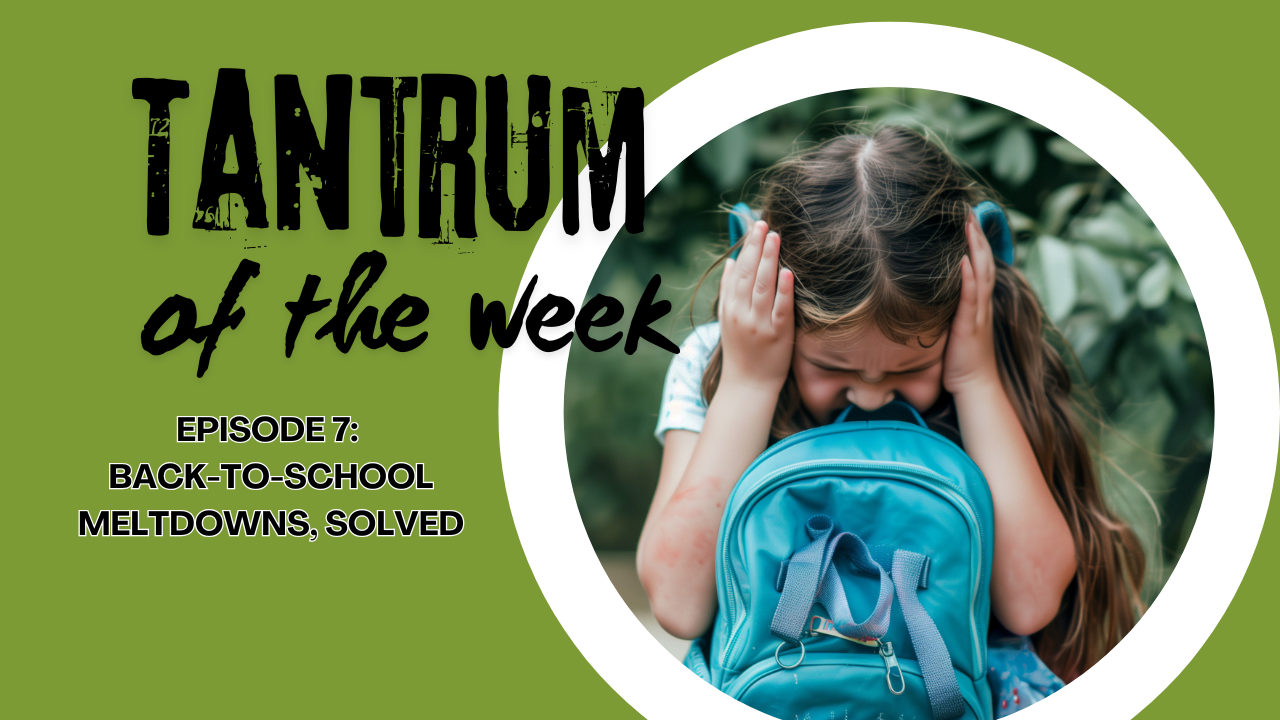
Back to school tantrums often show up right after a break when routines restart. Children who had been doing well with school suddenly resist getting ready, complain about small tasks, or refuse to cooperate.
Parents often worry that something must be seriously wrong, but in many cases this behavior reflects a normal adjustment to a sudden change in routine.
Kids experience transitions more intensely than adults do. When their environment shifts quickly—from relaxed vacation days to structured school mornings—their emotions can spike.
Tantrums After School Break
Tantrums after a school break are extremely common. During holidays or vacations, life often slows down. Families spend more time together, schedules become flexible, and expectations change.
When the break ends, children suddenly face:
Early mornings
Time pressure
School expectations
Separation from family
Even if they enjoy school, the transition itself can feel overwhelming.
Morning Routine Struggles with Kids
Morning routine struggles with kids often happen because mornings require many transitions in a short period of time.
Children may need to:
Wake up earlier
Get dressed quickly
Brush hair and teeth
Eat breakfast
Leave the house on time
For a tired or anxious child, each step can feel like too much.
One simple strategy is to reduce the amount of pressure in the morning. Parents can help by preparing the night before—laying out clothes, packing backpacks, and organizing what the family needs to leave the house.
When adults feel calmer and less rushed, children often regulate more easily.
School Morning Meltdowns
School morning meltdowns are often emotional, not behavioral.
A child who yells about brushing their hair or putting on socks may actually be feeling:
Anxious about school
Sad that the break ended
Tired from shifting schedules
Overwhelmed by the morning pace
When kids feel emotionally overloaded, they often express it through resistance to everyday tasks.
The goal during these moments is not to argue or lecture—it’s to help them move through the routine calmly.

Child Anxiety After Break
Some children experience child anxiety after a break, even if they cannot explain why.
They might worry about:
how school will go
friendships with classmates
whether things will feel different
Young children often cannot identify or explain their feelings, so anxiety shows up as irritability, resistance, or tantrums instead.
When parents understand this, it becomes easier to respond with support rather than frustration.
Getting Kids Ready for School Without Tantrums
Getting kids ready for school without tantrums often involves giving children small choices within firm limits.
For example:
“Do you want to brush your hair in your room or in the bathroom?”
“Do you want to put on socks now or in two minutes?”
“Do you want to get dressed first or brush your teeth first?”
These choices give children a sense of control while keeping the routine moving forward.
Importantly, the choice is how something happens—not whether it happens.
Behavior Regression After Vacation
Many parents worry when they see behavior regression after vacation. A child who was independent before the break suddenly needs more help again.
This type of regression is often temporary. Children sometimes need extra support during transitions before returning to their previous level of independence.
Providing short-term help—such as assisting with getting dressed or sitting with them while they brush their hair—can actually help them recover their skills more quickly.
Emotional Regulation in Young Children
Emotional regulation in young children develops slowly over time. Kids learn to manage their emotions through consistent routines, calm adults, and repeated practice.
During stressful transitions like returning to school, children often borrow regulation from their parents.
Staying calm, offering support, and guiding them through the routine helps their nervous system settle.
Over time, consistency and repetition help the child rebuild their confidence in the routine.
When Morning Struggles Start to Improve
The good news is that these transitions usually settle down with time. When routines are predictable and parents stay consistent, children gradually adjust.
What feels overwhelming in the first week back often improves as the routine becomes familiar again.
Supporting your child through this transition—without escalating the conflict—helps them get back on track faster.
Listen to the Full Episode
This article is based on an episode of the Tantrum of the Week podcast, where we talk about real-life parenting challenges and practical ways to handle them.
If your child is struggling with mornings after a school break, you’re not alone—and there are ways to make the transition easier.