
Why Do I Have to Share?
Sibling fights over toys are one of the most common tantrums parents face—especially with preschool-aged children. A toy that hasn’t been touched in weeks suddenly becomes the most important thing in the world the moment a sibling picks it up.
If this is happening in your house, you’re not alone—and your child isn’t being difficult on purpose.
Below, we’ll break down why kids struggle with sharing, what’s happening underneath these tantrums, and how parents can respond in ways that actually help.
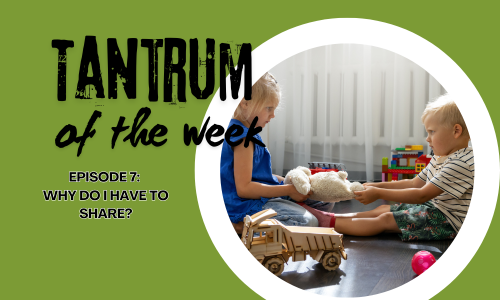
Kids Not Sharing Toys
When kids are not sharing toys, it can feel frustrating and even embarrassing for parents—especially when pushing, grabbing, or screaming happens.
But for young children, sharing is not an automatic skill. It’s something they are still developing, and it requires emotional regulation, impulse control, and trust that they will get their turn back.
A child who refuses to share is usually saying, “I don’t feel safe giving this up yet.”
Kids Sharing Toys (Why It’s Hard)
Kids sharing toys sounds simple, but for preschoolers it can feel overwhelming.
At this age:
Ownership feels very real and very personal
Giving something up can feel like losing it forever
Delayed gratification is still developing
Even if a child wasn’t actively playing with a toy, seeing a sibling take it can trigger panic, frustration, and a sense of loss.
Child Hates Sharing
When a parent says, “My child hates sharing,” what they’re usually seeing is a child who doesn’t yet have the skills to manage big feelings.
A child who hates sharing isn’t selfish or mean. They are overwhelmed. Their nervous system is reacting before their thinking brain has a chance to catch up.
This is especially common in four-year-olds who are still learning where their self-control starts and stops.
Children and Sharing (What’s Developmentally Normal)
Children and sharing is not an ethical issue at this age—it’s a developmental one.
Preschoolers are still learning:
How to manage disappointment
How to tolerate waiting
How to express wants without aggression
Expecting consistent generosity before these skills are solid can lead to more tantrums, not fewer.
Kids and Sharing (What to Do in the Moment)
When a sibling fight over toys happens:
Pause and ensure safety
Stop hitting or pushing immediately. Aggression is not okay, even when feelings make sense.Don’t teach during the tantrum
This is not the time to lecture about sharing or fairness.Name the feeling, not the behavior
“You’re really upset she took that toy.”Offer support
“I can help you figure this out.”
Calm, regulated parents help children regulate faster than explanations ever will.

How to Teach Kids Sharing (Without Forcing It)
Forced sharing often backfires. Instead, focus on turn-taking.
You might say:
“She can have a turn for five minutes, then it’s your turn.”
“Do you want to give it to her, or do you want me to?”
Using a timer helps make sharing predictable and safe. The child learns they will get it back.
How Do You Explain Sharing to a Child?
When everyone is calm (not during the tantrum), keep explanations simple:
“Everyone gets a turn.”
“You can ask for a turn with your words.”
“Hitting doesn’t help you get what you want.”
Avoid long explanations or comparisons between siblings. Simple, repeated messages work best.
How to Get a Child to Share
True sharing grows from a sense of having enough.
When children trust that:
Their needs will be heard
They can ask appropriately
Adults will help them problem-solve
They become more willing to give things up on their own. That’s real generosity—and it takes time.
Want More Help?
This blog is based on a Tantrum of the Week episode where I walk parents through sibling toy battles step by step.
You can watch or listen here:
https://youtu.be/F-SFSkicY9c
Sibling fights over toys are exhausting—but they are also teachable moments when handled with calm, clarity, and consistency.
This content is for educational purposes only and is not therapy.